
Do not start a Riyadh villa proposal request with style images if the room brief is vague. Start by deciding which rooms must work, who uses them, how guests move, which finishes must survive daily use, and who will buy or supervise each item.
A clear brief helps every interior designer in Riyadh price the same villa scope. Without it, one proposal may include drawings, FF&E, procurement, and site visits, while another only prices concept images.
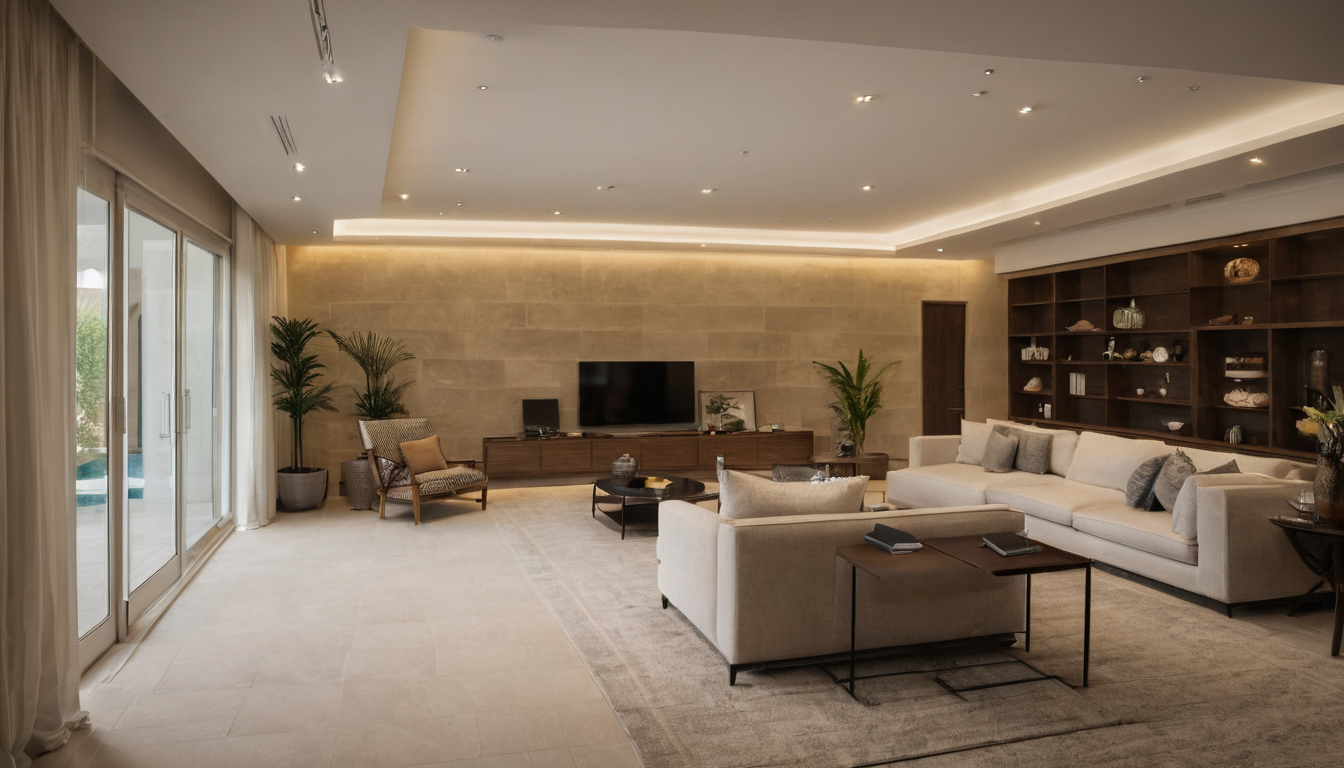
Riyadh Villa Design Briefs: Set Room Priorities Before You Request Interior Proposals shown as an editorial reference for proportion and finish coordination.
What should a Riyadh villa interior design brief decide before contacting designers?
A Riyadh villa interior design brief should decide room priorities, family routines, guest expectations, privacy rules, finish expectations, and required services before style boards are requested.
A useful Riyadh villa brief separates decisions from preferences
The brief should sit before concept design, fit-out tendering, and furniture procurement. Unclear room use quickly becomes unclear drawings, unclear joinery, and unclear site responsibility.
| Brief item | Fixed decision before proposals | Flexible preference for later design |
|---|---|---|
| Majlis and guest areas | Guest entrance, seating capacity, dining link, powder room access, coffee service route | Traditional, contemporary, neutral, or decorative mood |
| Family zones | Daily living room, children’s study needs, TV wall, storage volume, bedroom routines | Color palette, loose furniture style, art direction |
| Kitchens and service spaces | Show kitchen, service kitchen, laundry, staff room, pantry, delivery path, waste route | Cabinet profile, handle type, countertop tone |
| Renovation risks | Existing leaks, AC condensate issues, damaged flooring, rooms occupied during works | Whether old features should be restored, concealed, or replaced |
Majlis planning belongs in the fixed column because the majlis is a cultural and hospitality space, not only a decorative room. UNESCO inscribed the majlis cultural element on the Representative List of the Intangible Cultural Heritage of Humanity in 2015.
Renovation briefs should flag moisture history before designers specify timber, gypsum, fabrics, or built-in storage. The U.S. EPA advises that wet or damp materials and furnishings should generally be cleaned and dried within 24 to 48 hours to help prevent mold growth.
The brief should name the decision-makers before proposal work begins
The villa owner should name who approves layouts, concept direction, material samples, shop drawings, and procurement. In Riyadh residential projects, the approval group may include the owner, spouse, family representative, project manager, contractor, or consultant.
Which rooms should a Riyadh villa owner prioritize in the design brief?
A Riyadh villa owner should prioritize rooms by daily use, guest visibility, privacy sensitivity, and cost impact. Formal majlis areas, family living zones, dining, kitchens, bedrooms, staff areas, storage, and outdoor transitions should be listed separately.
- Scope risk: A majlis described as a living room may hide custom seating, wall cladding, ceiling work, coffee service, and guest washroom coordination.
- Budget risk: A show kitchen and a service kitchen require different joinery, appliances, extraction, floor finishes, and cleaning assumptions.
- Privacy risk: Family bedrooms, dressing rooms, and children’s areas need different treatment from guest-facing rooms.
- Site risk: Staff rooms, laundry, storage, and utility rooms affect plumbing, electrical points, access routes, and daily household operation.
Formal majlis and dining rooms should be treated as proposal-critical spaces
Formal guest rooms carry high proposal risk because they combine hospitality, circulation, finishes, lighting, and service. The majlis brief should state seating capacity, guest entrance route, shoe or cloak storage, washroom proximity, coffee and tea service, dining access, and whether guests pass any family-only area.
Majlis pricing changes with built-in banquettes, loose sofas, chandeliers, concealed lighting, gypsum ceilings, feature stone, timber wall panels, rugs, curtains, and custom side tables. If the majlis or dining room uses stone, the owner should brief care expectations early. The Natural Stone Institute advises blotting spills immediately rather than wiping them, because wiping can spread the spill.
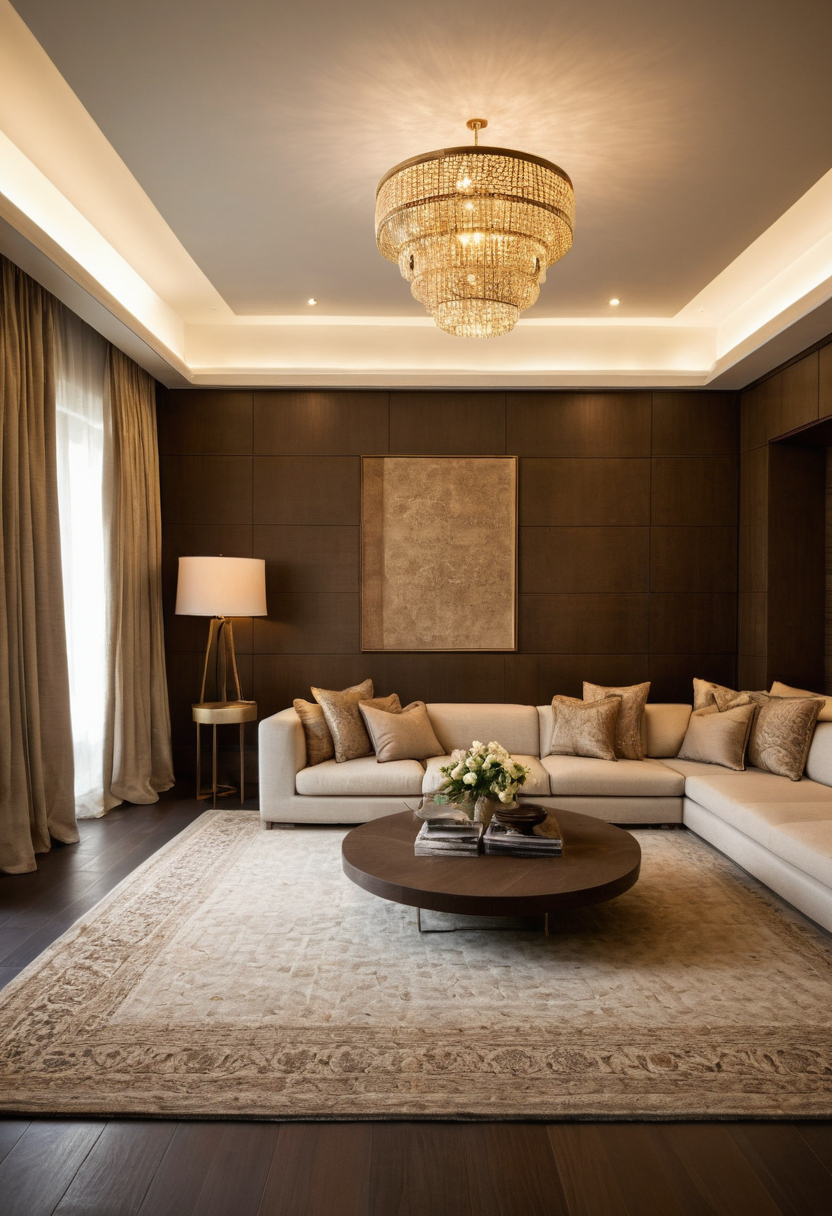
Which rooms should a Riyadh villa owner prioritize in the design brief shown with floor, wall, and fixture relationships visible.
Family living rooms and bedrooms should be briefed around daily routines
Family rooms should not copy hotel lobby images. The brief should describe TV viewing, children’s play, homework, informal dining, gaming, prayer habits, device charging, toy storage, and the durability expected from sofas, rugs, curtains, and wall finishes. Owners can separate family seating and TV-wall choices as living room interior design decisions before requesting the full proposal.
Bedroom briefs should state wardrobe volume, dressing table needs, blackout control, bedside lighting, ensuite access, prayer space, luggage storage, and study desk needs. New paints, adhesives, sealants, carpets, pressed-wood furniture, and cleaning products can affect comfort during fit-out. The U.S. Environmental Protection Agency states that concentrations of many VOCs are consistently higher indoors than outdoors.
Service spaces should not be left until after the luxury rooms are designed
Service rooms protect luxury rooms from daily clutter. The villa brief should list the main kitchen, show kitchen, dirty kitchen, pantry, laundry, maid room, driver area, storage, mechanical spaces, and utility rooms before designers price decorative areas.
Outdoor seating, entrance thresholds, terraces, and roof areas affect interior flooring, curtains, dust control, and guest movement. Owners should connect interiors with villa exterior and outdoor transition decisions. ENERGY STAR states that qualified LED lighting uses at least 75 percent less energy and lasts up to 25 times longer than incandescent lighting.
How should privacy and hospitality requirements be written for a Saudi villa brief?
Privacy and hospitality requirements in a Saudi villa brief should be written as circulation rules, not vague cultural notes. The brief should explain who enters, where guests wait, which rooms stay private, and how family, staff, and visitors move.
The Riyadh villa brief should define guest circulation before room styling
The guest route should be one of the first written notes because it controls entrances, corridors, powder rooms, majlis access, dining routes, and family separation. A beautiful majlis proposal can fail if guests must pass the family living room, see the staircase landing, or cross the kitchen service route.
- Guest arrival: state whether visitors use a separate entrance, direct majlis door, shared foyer, or controlled route from the main entrance.
- Dining access: define whether guests move from majlis to dining without passing bedrooms, children’s study areas, or private stairs.
- Guest washrooms: place powder rooms so visitors do not enter family corridors or service zones.
- Deliveries and staff: separate courier, driver, domestic staff, kitchen, laundry, and waste routes from guest reception where the layout allows.
The brief should state visual privacy, acoustic privacy, and service privacy separately
Visual privacy should name the sightlines that must be blocked: no direct view from the main door to family seating, no guest view toward bedroom corridors, no exposed staircase landing from the majlis, and controlled glazing toward neighbors or outdoor seating.
Acoustic privacy should name the sounds that should not travel, such as majlis conversation, TV room noise near bedrooms, or service kitchen activity near a prayer area.
Service privacy should explain how coffee reaches the majlis, how food reaches dining, how laundry moves from bedrooms, how staff access storage, and where waste leaves the house. With these rules clear, the designer can plan doors, screens, partitions, glazing, acoustic treatments, and routes before selecting finishes.
Which Riyadh climate and material assumptions belong in the interior design brief?
A Riyadh interior design brief should state climate and material assumptions wherever heat, dust, sunlight, air-conditioning, and maintenance affect comfort or durability.
The diagnostic question is simple: will this finish still look intentional after daily AC use, dust cleaning, bright sun, guest traffic, and repeated coffee service? If the answer depends on product grade, sealing, curtain lining, grille location, or maintenance, put that assumption in the brief before pricing.
- Brief sun exposure before pricing: identify west-facing rooms, tall glazing, stair windows, skylights, and outdoor seating transitions that need shading, lined curtains, UV-resistant fabrics, or heat-conscious flooring.
- Brief dust before pricing: ask for finishes that tolerate frequent cleaning at entrances, staircases, family rooms, kitchens, and majlis corridors.
- Brief AC before pricing: mark rooms where ceiling design, diffusers, return air, curtain pockets, and lighting coves must work together.
- Brief finish performance before pricing: state whether the owner prefers marble, porcelain, engineered wood, veneer, painted panels, washable wall finishes, or fabric walling, then ask for maintenance notes.
- Brief MEP before pricing: flag chandeliers, smart controls, kitchen extraction, floor boxes, drainage, concealed lighting, and moved plumbing points.
Sun, dust, and air-conditioning should shape the material schedule
Riyadh villas need material schedules that describe performance, not only appearance. A pale marble entrance, textured wall finish, linen-look curtain, brass detail, or dark veneer panel can look refined in a render and still disappoint if dust collects in grooves, sunlight fades fabric, or AC airflow stains a ceiling edge.
High-traffic majlis and dining areas need finishes that suit hospitality routines. Natural stone can work beautifully, but the brief should ask for sealing assumptions, coaster habits, and care expectations.
Family rooms and bedrooms need a different durability profile. Upholstery should handle daily sitting, children, fragrance, and cleaning. Wall finishes near beds, corridors, and TV areas should resist scuffing. Joinery should be specified for stable carcasses, cleanable surfaces, and hardware that can handle repeated use.
Interior proposals should show where design depends on MEP coordination
Ceiling design is often the first place where a beautiful Riyadh interior proposal becomes a site problem. Cove lighting, gypsum levels, AC diffusers, return-air grilles, detectors, speakers, curtain motors, and chandeliers compete for the same ceiling depth and service routes.
The villa brief should ask for coordinated reflected ceiling plans, lighting layouts, power points, low-current points, HVAC grille positions, plumbing revisions, kitchen service points, and smart-home interface locations. Bathrooms, laundries, staff rooms, kitchens, and AC-related moisture points also need early attention. The EPA advises fixing plumbing leaks and other water problems as soon as possible and drying items completely.
How can owners compare proposals from interior design companies in Riyadh?
Owners can compare proposals from interior design companies in Riyadh only when each company responds to the same room list, deliverables, exclusions, site duties, and procurement assumptions.
A proposal comparison table should separate design, procurement, and supervision
A villa owner should convert each proposal into the same technical grid before judging the fee. Concept design covers mood, layout intent, and key finishes. Detailed design should include drawings a contractor can price. FF&E covers furniture, fixtures, decorative lighting, rugs, curtains, and accessories. Procurement covers sourcing, ordering, delivery follow-up, and approval control. Site supervision checks that built work follows the approved design.
| Comparison item | What the owner should check |
|---|---|
| Rooms included | Majlis, dining, family living, bedrooms, kitchens, bathrooms, staff areas, storage, entrances, outdoor transitions |
| Design deliverables | Concept package, schematic layout, detailed drawings, 3D visuals, material schedule, lighting intent |
| FF&E and procurement | Furniture schedule, supplier selection, custom joinery, designer purchasing role, owner approvals |
| Site duties | Site visits, supervision frequency, fit-out coordination, contractor clarification process |
| Commercial terms | Lump sum design fee, per-square-meter design fee, procurement percentage, supervision fee, turnkey fit-out price |
| Controls | Exclusions, included revision rounds, approval milestones, timeline, payment stages |
The villa owner should ask what is not included before discussing style
Exclusions create most proposal shocks. The owner should ask whether authority approvals, contractor pricing, structural changes, MEP redesign, kitchen extraction, HVAC grille coordination, imported furniture lead times, customs handling, site measurements, mockups, and post-handover maintenance sit inside or outside the fee.
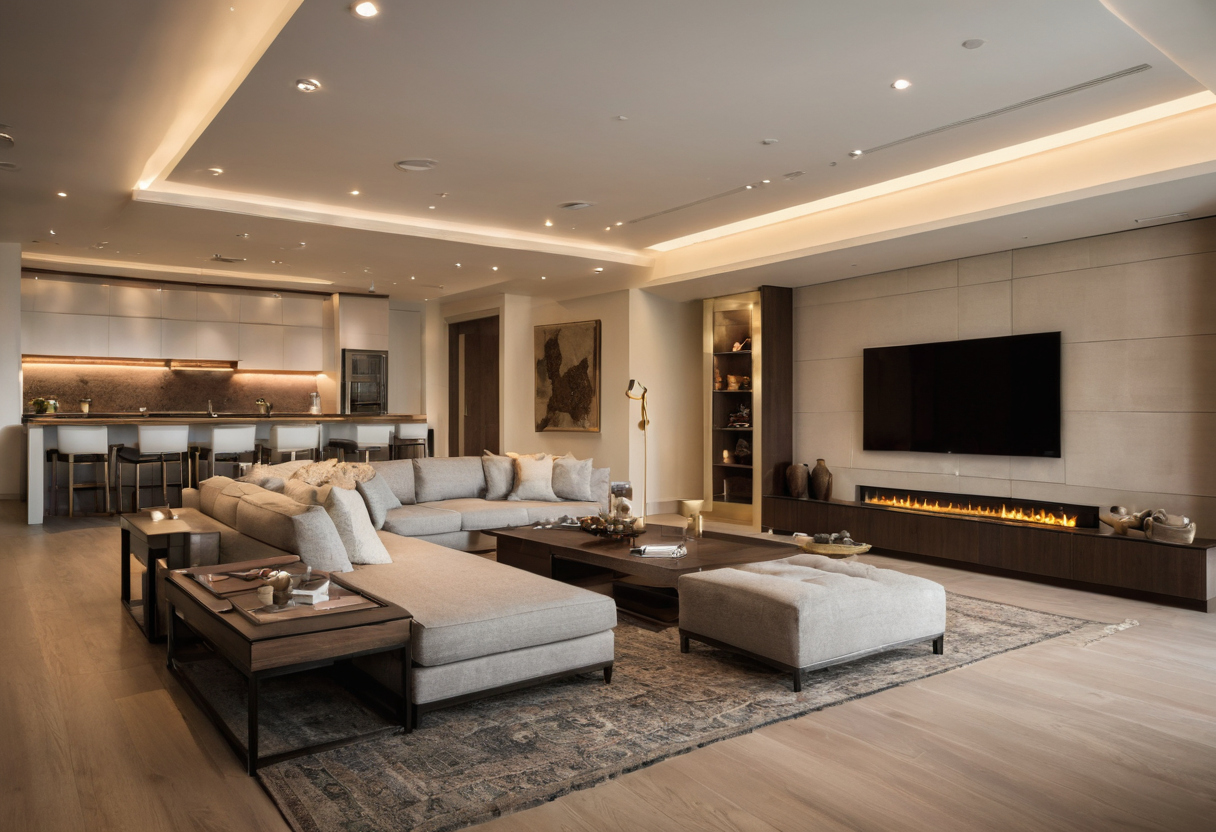
How can owners compare proposals from interior design companies in Riyadh shown with floor, wall, and fixture relationships visible.
Revision terms also need written limits. A clear proposal states how many layout, concept, and material revision rounds are included, then explains how extra changes will be charged.
What budget and procurement assumptions should a Riyadh villa brief state?
A Riyadh villa brief should state whether the owner expects local sourcing, imported furniture, custom joinery, turnkey fit-out, or design-only support.
Budget clarity does not require a final number. The brief can describe the quality level as practical family-grade, premium durable, or luxury bespoke, then name where investment should be protected: majlis stone, kitchen appliances, wardrobes, lighting control, sanitaryware, curtains, or loose furniture.
The brief should define owner-supplied items before the proposal is priced
Owner-supplied items should be named before fees and fit-out allowances are compared. In Riyadh villa projects, these items often include appliances, art, carpets, chandeliers, loose furniture, sanitaryware, smart home systems, decorative accessories, family heirlooms, and imported pieces already ordered by the owner.
The brief should assign responsibility for each item: who measures the site, confirms dimensions, checks power and plumbing needs, orders the item, tracks delivery, inspects damage, stores it safely, and coordinates installation.
MEP-related items need special clarity. HVAC grilles, kitchen extraction, return-air paths, fresh-air coordination, and ceiling integration can affect both design and comfort. ASHRAE identifies Standards 62.1 and 62.2 as ventilation standards for acceptable indoor air quality, and Standard 62.2 is titled Ventilation and Acceptable Indoor Air Quality in Residential Buildings.
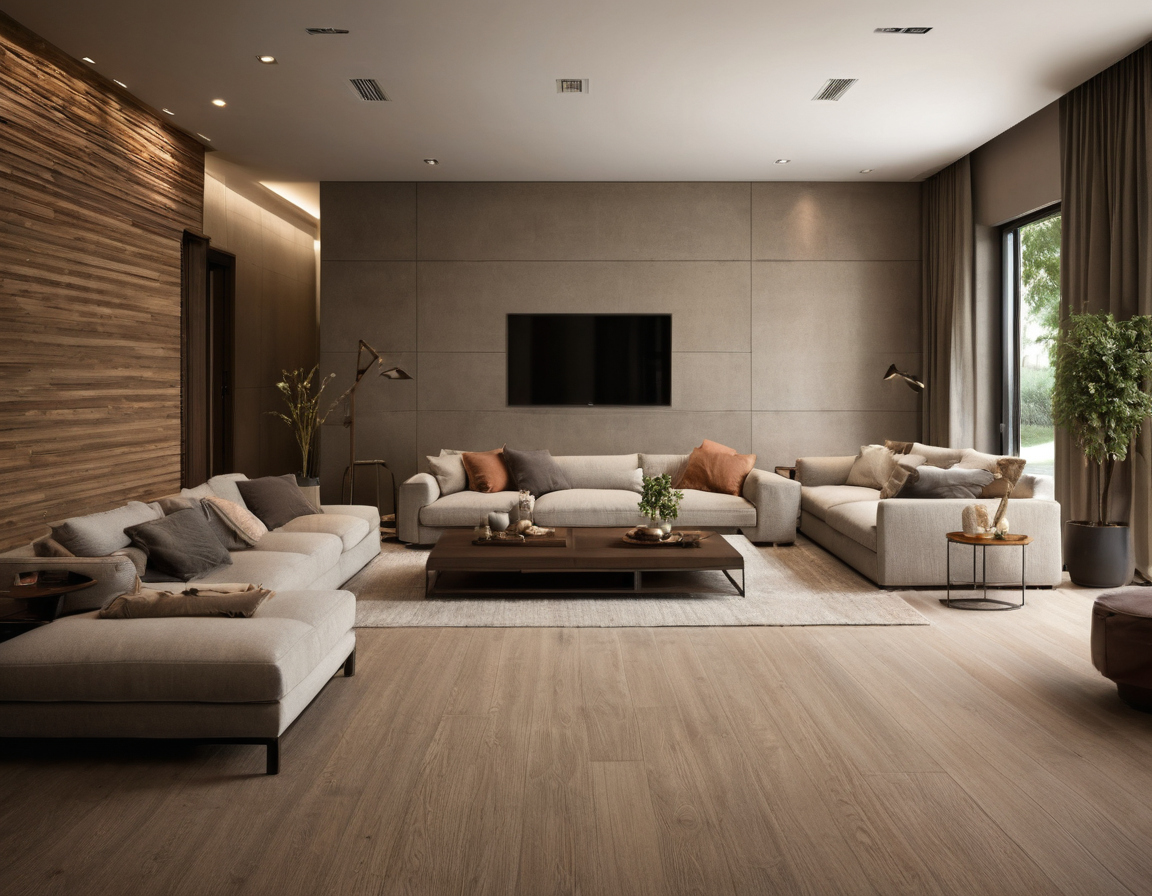
What budget and procurement assumptions should a Riyadh villa brief state shown with floor, wall, and fixture relationships visible.
The brief should say whether the villa will be designed in phases
Phasing changes design fees, procurement timing, contractor sequencing, and family disruption. Common scenarios include majlis first for hosting, ground floor first before a family deadline, family floor first, full villa completion before move-in, or renovation while the family remains in the property.
Phased work carries risks: discontinued finishes, mismatched stone batches, delayed imported furniture, temporary AC disruption, dust migration, repeated protection works, and rooms handed over before adjacent wet works finish. The brief should state whether substitutions need written owner approval, designer approval, or both.
What final checklist should a Riyadh villa owner send with an interior proposal request?
The final checklist for a Riyadh villa proposal request should combine plans, photos, room priorities, household requirements, privacy rules, material expectations, budget assumptions, and required services.
The owner’s brief package should include documents, decisions, and open questions
- Project basics: villa location area, villa type, new build or renovation, approximate size, target move-in date, and current project stage.
- Drawings and records: architectural plans, reflected ceiling plans if available, MEP drawings if available, site photos, room dimensions, and contractor contact details.
- Room list: formal majlis, dining, family living, kitchens, bedrooms, bathrooms, staff rooms, laundry, storage, entrances, stairs, outdoor seating, roof spaces, and basement spaces if relevant.
- Household use: family size, children’s ages, guest frequency, elderly access needs, pets, staff movement, and daily prayer, dining, study, or work routines.
- Privacy and hospitality: guest entrance rules, family-only zones, majlis capacity, powder room access, dining service route, acoustic concerns, and window privacy.
- Design inputs: inspiration images, disliked styles, existing furniture to keep, preferred materials, maintenance concerns, and rooms needing durable finishes.
- Commercial assumptions: budget range, owner-supplied items, procurement route, phasing needs, required drawings, 3D visuals, site visits, and decision-makers.
Leave space for designers to answer open questions: what scope is missing, which rooms need site verification, which materials may affect cost, and which approvals or contractors must be coordinated. Send this package before style discussion, so the proposal meeting becomes a scope decision rather than a decoration debate.
FAQ
What are the five stages of an interior design process for a Riyadh villa?
A practical five-stage process is brief approval, layout and zoning approval, concept approval, detailed drawing and material approval, then procurement and site coordination. Some villas add tendering, mockups, or post-handover styling as separate stages.
Should a Riyadh villa owner choose an interior designer before setting a room brief?
The owner can shortlist designers before the brief is complete, but the proposal request should not rely on images alone. A room-by-room brief makes it easier to compare fees, deliverables, exclusions, and site duties.
How many majlis and guest circulation details should be included in a Saudi villa design brief?
The brief should include enough detail for a designer to draw the guest route: entrance, majlis capacity, dining link, powder room access, coffee service, staff route, family separation, and any separate male or female gathering needs.
Can decorating rules like the 70/30 rule or 3-5-7 rule replace a proper villa design brief?
No. Decorating rules can help with visual balance, but they cannot define room scope, privacy, MEP coordination, procurement responsibility, or fit-out sequencing.
What documents should I send to interior design companies in Riyadh before asking for a proposal?
Send architectural plans, available MEP drawings, site photos, room dimensions, a room list, family and guest requirements, privacy notes, budget assumptions, phasing needs, owner-supplied items, and the names of decision-makers.