
You are standing in a Riyadh stone yard with a 15-centimeter approved sample in hand while your contractor discusses a bulk slab order that becomes non-refundable the moment the supplier cuts the blocks. That small piece of stone carries expectations for an entire villa floor, but the arriving slabs might tell a different geological story. Confirming marble grade, thickness, finish, and traceability before authorizing a purchase order is the most effective way to prevent costly replacements during a luxury fit-out. See also: Setting room priorities in your Riyadh villa design brief.
Contents
- Why marble grade verification matters before your Riyadh fit-out contractor orders slabs
- What marble grades mean for luxury villa interiors in Saudi Arabia
- What slab thickness and dimensions should you specify for Riyadh villa floors and walls?
- How to verify marble surface finish and slip resistance for Saudi Building Code compliance
- What supplier documentation proves block-to-slab traceability and grade?
- Decision checklist: approving marble specifications before the bulk order
Key takeaways
- Marble grade determines structural integrity, visual consistency, and long-term maintenance costs for luxury interiors.
- Suppliers grade marble commercially by visual uniformity, fissure density, and structural soundness rather than a single universal standard.
- Standard marble slab thickness for flooring is typically 20mm or 30mm, while wall cladding often uses 20mm.
- Surface finish affects both appearance and safety.
- A physical sample alone does not guarantee the bulk order will match.
This guide takes you through six verification steps a villa owner must complete before any bulk marble order ships. Each step covers a distinct material attribute that suppliers and contractors sometimes leave loosely defined.
Why marble grade verification matters before your Riyadh fit-out contractor orders slabs
Marble grade determines structural integrity, visual consistency, and long-term maintenance costs for luxury interiors. When a fit-out contractor orders against an unverified sample, the delivered stone may differ in veining, porosity, or thickness from what you approved.
Confirming grade criteria protects more than the look of your villa. The U.S. Environmental Protection Agency identifies building materials, furnishings, paints, varnishes, waxes, and cleaning products as common indoor sources of volatile organic compounds during residential finishing (EPA indoor air quality guidance). Resin-treated lower-grade marble can introduce additional emissions into enclosed rooms. Specifying verified stone helps you plan realistic curing periods for your majlis and living areas.
A clear specification prevents disputes at delivery. To know what to check, first understand how suppliers classify stone and what marble grades actually mean for luxury villa interiors in Saudi Arabia.
What marble grades mean for luxury villa interiors in Saudi Arabia
Suppliers grade marble commercially by visual uniformity, fissure density, and structural soundness rather than a single universal standard. Premium grades feature consistent veining and minimal filling, while commercial grades accept more variation. For a Riyadh luxury villa, specifying the exact grading framework ensures your design studio and contractor evaluate slabs identically.
Natural stone suppliers exporting to Saudi Arabia typically sort marble into three or four tiers before shipping. The highest tier reserves blocks with predictable color fields and continuous veining patterns. Lower tiers permit background shifts, open fissures repaired with epoxy resin, and interrupted veins. Because no single international body enforces a mandatory classification system across all quarries, the word “premium” on a supplier invoice means only what that specific quarry defines it to mean.
This ambiguity creates procurement risk. A fit-out contractor might order slabs labeled premium by a Turkish exporter, expecting Italian first-choice quality. The delivered stone could arrive with visible resin patches that clash with the approved sample. To prevent this mismatch, document acceptable defect tolerances in your project brief and turn subjective labels into measurable limits. Setting room priorities in your Riyadh villa design brief is the stage where these material specifications should be recorded before any purchase orders are drafted.
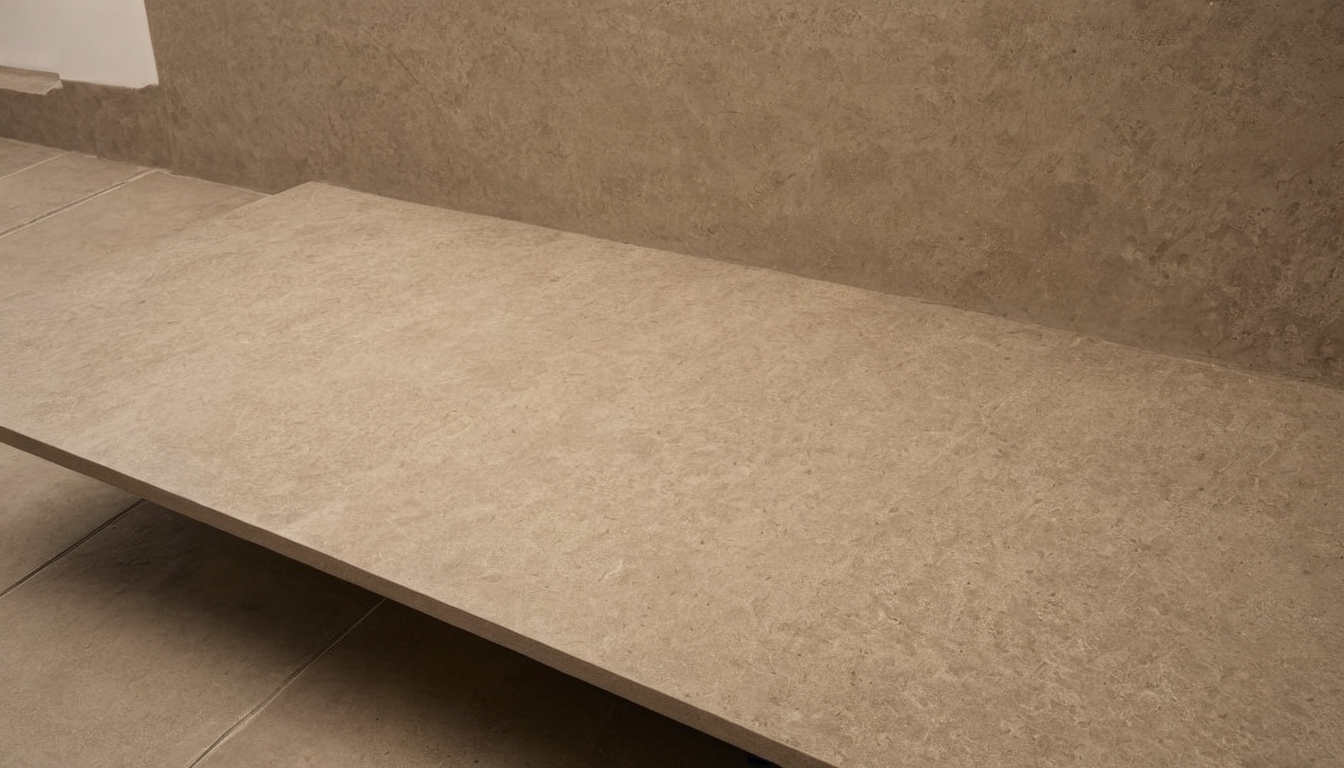
What marble grades mean for luxury villa interiors in Saudi Arabia.
Middle Eastern distributors often simplify these categories into Premium, Standard, and Commercial when presenting options to interior design companies in Riyadh. A slab classified as Standard by an Omani processor might carry more resin filling than a Second Choice slab from Carrara.
To protect your villa project, request the supplier’s written grading criteria before approving any bulk order. Reliable exporters provide documentation stating maximum allowable resin coverage per square meter, permitted fissure lengths, and acceptable color deviation ranges compared to a control sample. If a supplier cannot produce these parameters, the grade label on their quotation holds no contractual weight. Your fit-out contractor needs these tolerances printed alongside the purchase order so the receiving team at the Riyadh site knows exactly what to reject.
Spanish and Turkish marbles, including Crema Marfil and various Emperador varieties, appear frequently in corridors, bathrooms, and secondary living spaces. These stones naturally contain more fossil marks and calcite bands. Suppliers grade them by the density of these features rather than demanding the flawless uniformity expected from Italian whites.
Regional stones from Oman and Saudi Arabia offer durable options for larger surface areas. Omani beige and local limestone-marbles follow grading systems developed by Gulf processors, which prioritize structural integrity over visual perfection. When working with regional materials, inspect multiple full slabs rather than relying solely on small hand samples: color banding varies significantly from block to block.
Once you settle the acceptable grade and origin, verify the next physical attribute, size: what slab thickness and dimensions should you specify for Riyadh villa floors and walls?
What slab thickness and dimensions should you specify for Riyadh villa floors and walls?
Standard marble slab thickness for flooring is typically 20mm or 30mm, while wall cladding often uses 20mm. Specifying exact thickness, allowable dimensional tolerances, and slab format sizes prevents installation failures. In Riyadh’s climate, thicker slabs may be required for exterior-adjacent transitions to manage thermal expansion safely under Saudi Building Code guidelines.
Put these physical parameters in the design brief before a contractor contacts a stone processor. Documenting the target thickness alongside your room priorities gives your team a fixed reference point when evaluating supplier quotes.
A 30mm slab offers greater resistance to cracking under point loads. Ground-floor foyers, main majlis seating areas, and corridors carrying heavy furniture benefit from the added mass. When a villa floor transitions directly to an outdoor terrace or courtyard, the additional thickness helps absorb the differential movement caused by Riyadh’s extreme temperature swings between air-conditioned interiors and sun-exposed exteriors.
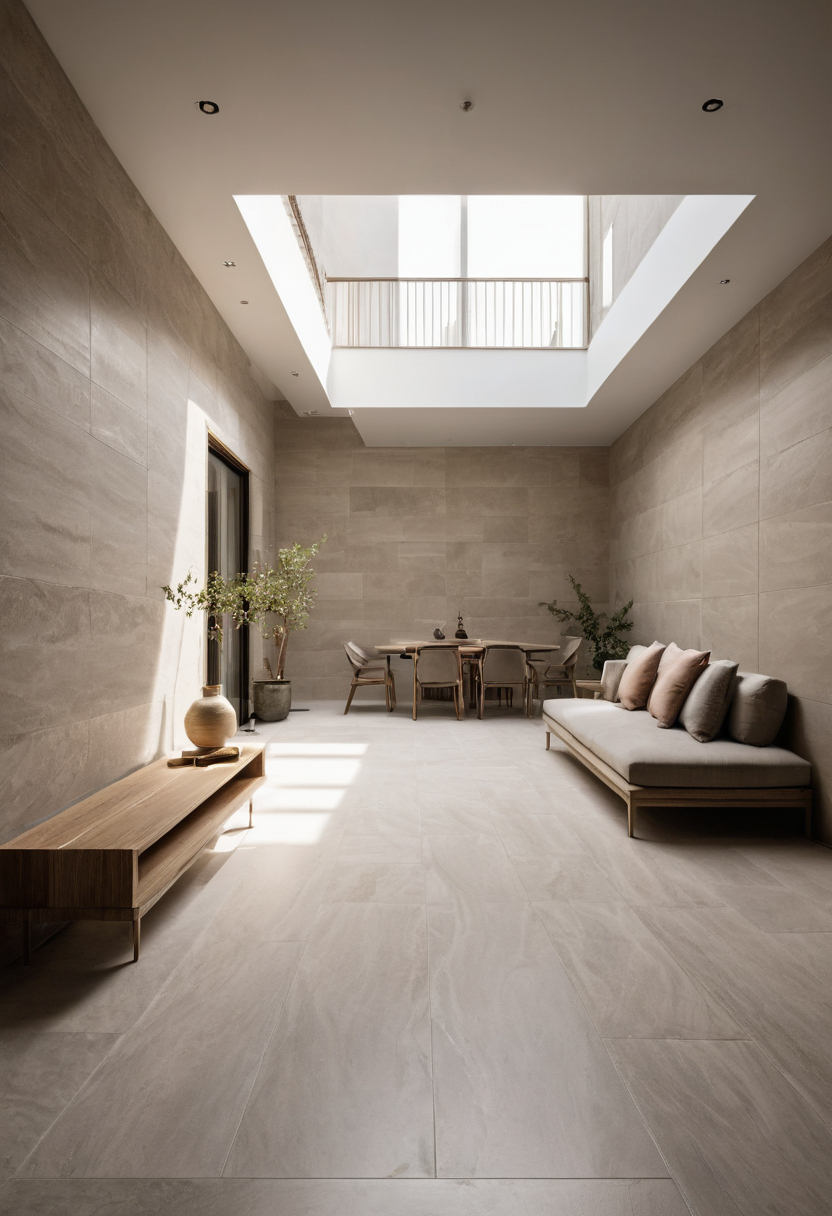
What slab thickness and dimensions should you specify for Riyadh villa floors and walls.
Wall cladding rarely requires more than 20mm. Thinner panels reduce the dead load on the backing structure and simplify mechanical anchoring. For feature walls where book-matched veining is the primary design goal, processors can calibrate slabs down to 15mm if the backing substrate is perfectly flat and reinforced.
Your fit-out contractor should confirm that the subfloor preparation method matches the chosen thickness. A 20mm slab laid over an uneven screed will telegraph every imperfection and risk hollow spots that crack underfoot. A 30mm slab forgives minor substrate irregularities but demands stronger adhesive bonds and longer curing times.
Bulk orders for large villa spaces require careful yield calculations. A spacious majlis floor might demand continuous veining across six meters. If the available slabs max out at 2.7 meters long, the installer must plan seam placements rather than discover a shortage mid-installation. Ordering raw slabs without mapping them against actual room dimensions leads to excessive offcuts and inflated waste percentages.
Dimensional tolerances matter as much as nominal size. Industry standards for natural stone generally permit thickness variations of roughly plus or minus 1mm to 2mm across a single slab. Flatness tolerances restrict how much a slab can bow along its length. Exceeding these limits forces installers to use thicker mortar beds, which alters floor heights and complicates transitions to adjacent materials like hardwood or carpet.
Before authorizing the purchase order, request a cutting layout from the contractor. The layout should show exactly how many slabs each room requires, where seams fall, and what percentage of the total order accounts for waste. Typical waste allowances range from 10 to 20 percent depending on pattern matching complexity and room geometry. Thickness and dimensions establish the physical footprint of your stone, but a perfectly sized slab still fails inspection if the surface treatment does not meet safety requirements.
How to verify marble surface finish and slip resistance for Saudi Building Code compliance
Surface finish affects both appearance and safety. Polished, honed, brushed, and leathered finishes have distinct reflectivity levels and slip resistance ratings. For Riyadh villas, wet areas like bathrooms and majlis entryways must meet Saudi Building Code slip resistance requirements. The contractor must specify the exact finish name and its corresponding coefficient of friction.
Marble finish names have specific measurable meanings in stone fabrication. A polished finish produces a mirror-like surface with high reflectivity but the lowest traction underfoot. A honed finish leaves the stone smooth and matte, offering slightly better grip without altering the slab thickness. Brushed and leathered finishes expose more natural texture through mechanical abrasion, creating visible grain that increases slip resistance significantly compared to polished stone. Your fit-out contractor should never write “matte” or “textured” on a purchase order without naming the exact industrial process. Different factories achieve similar visual results through methods that produce very different surface roughness values.
Safety compliance for interior stone depends on dynamic coefficient of friction testing, not visual inspection alone. The Saudi Building Code requires interior flooring in wet zones to maintain adequate slip resistance, which means polished marble is generally unsuitable for villa bathrooms, pool surrounds, or covered outdoor majlis transitions where water tracks indoors. Stone suppliers measure this performance using standardized pendulum or tribometer tests that yield a numerical rating. Ask your contractor for the tested friction value for the specific finish applied to your chosen marble variety, not just a generic rating for the stone type. Calacatta and Carrara marble behave differently when honed versus polished, so the test result must match the exact combination of stone origin and surface treatment.
Inspecting slabs at the yard prevents expensive replacements after installation. Bring your approved sample into direct sunlight and compare it against the bulk slabs at an angle. Check whether the reflectivity matches, whether the brushing pattern runs consistently across the face, and whether edges show the same treatment as the center. Even a slight variation in polishing pressure between production batches changes how light moves across a large villa floor.
Once the finish passes your physical inspection, verify the supplier documentation that proves block-to-slab traceability and grade before the order ships.
What supplier documentation proves block-to-slab traceability and grade?
A physical sample alone does not guarantee the bulk order will match. Reliable suppliers provide quarry block numbers, grade certificates, resin treatment logs, and dimensional inspection reports. Before your fit-out contractor in Riyadh issues a purchase order, request these documents to establish material acceptance criteria. Missing paperwork signals a high risk of grade substitution.
Marble grade certificates from reputable international quarries typically record the stone variety, origin country, block number, and visual classification. The certificate assigns the slab to a premium, standard, or commercial category based on vein consistency, background color uniformity, and natural fissure frequency. Ask the supplier to confirm that the certificate references the exact block number tied to your approved sample rather than a generic product code.
Resin filling and mesh backing treatments change how a marble slab behaves during installation and over years of use. Fabricators apply epoxy or polyester resin to fill natural voids, and they bond fiberglass mesh to the back of thinner slabs for structural support. Request a resin treatment log that specifies the resin type, application date, and coverage area. Polyester resins may yellow under prolonged UV exposure, while epoxy resins generally resist discoloration but require longer curing times. Your agreement for dividing scope between your design studio and fit-out contractor should clarify which party reviews these treatment records before approving the shipment.
Chain of custody documentation connects the extracted quarry block to the finished slab delivered to your Riyadh villa site. Major stone exporters to Saudi Arabia track this journey through block tags, factory processing logs, and packing lists that map individual slabs back to their parent block. Without this chain, a supplier can mix slabs from different blocks or grades into a single shipment.
If the supplier cannot produce these documents, pause the order. A missing certificate often means the stone comes from an unverified batch where visual grading was inconsistent. Once you have collected and reviewed the paperwork, consolidate your findings into a final approval action so procurement closes without open risks.
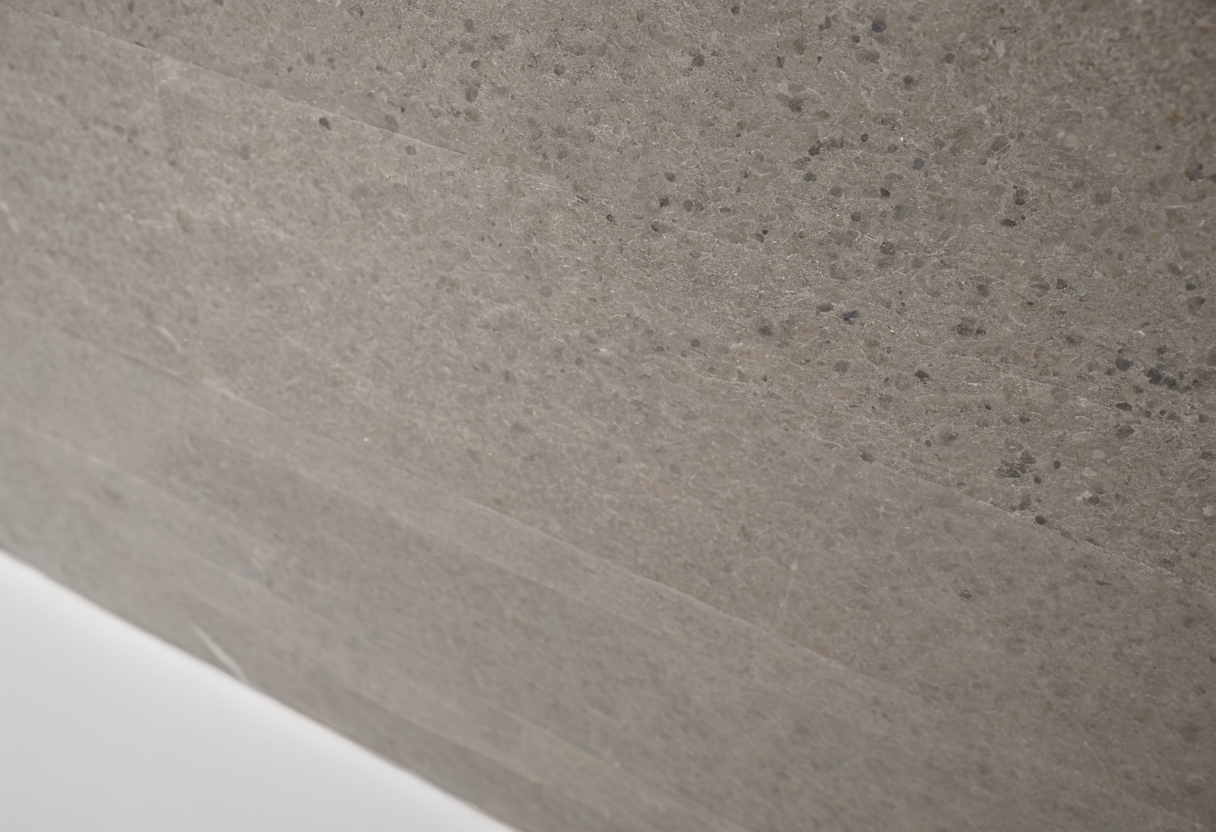
What supplier documentation proves block-to-slab traceability and grade.
Decision checklist: approving marble specifications before the bulk order
This checklist brings together the verification steps a Riyadh villa owner must complete before authorizing the fit-out contractor to order slabs. It covers grade confirmation, thickness tolerances, finish samples, slip resistance data, and traceability documents. Using this list turns subjective aesthetic approval into objective contractual acceptance criteria for your saudi interior design project.
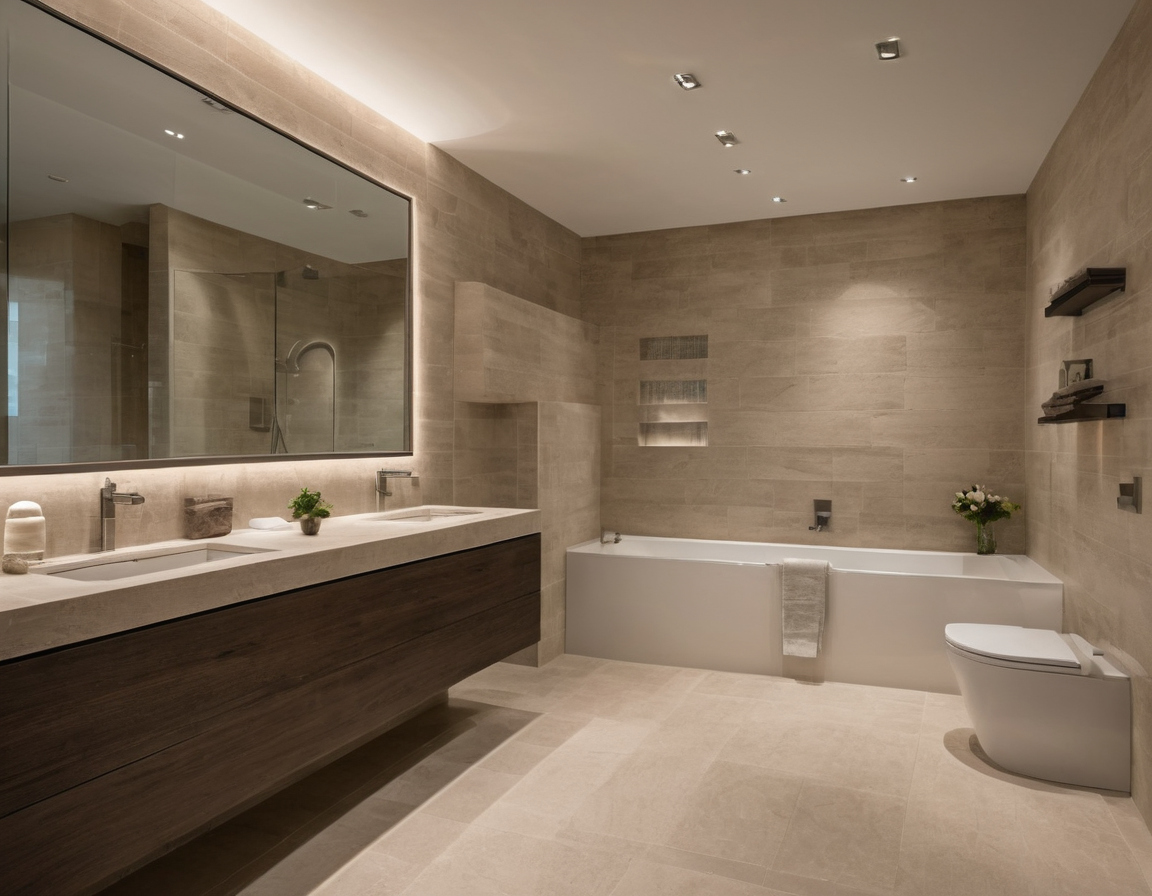
Decision checklist: approving marble specifications before the bulk order.
The villa owner holds final sign-off authority on every item below. The design studio typically defines the specifications during setting room priorities in your Riyadh villa design brief, while the fit-out contractor handles procurement. Clear ownership prevents gaps when dividing scope between your design studio and fit-out contractor. Selecting partners who understand this workflow starts early; our guide on vetting interior design companies in Riyadh covers what to look for before awarding your project.
For more on this topic, see other guides on this site.