
Branded Residences in Dubai: What the Price Premium Actually Buys
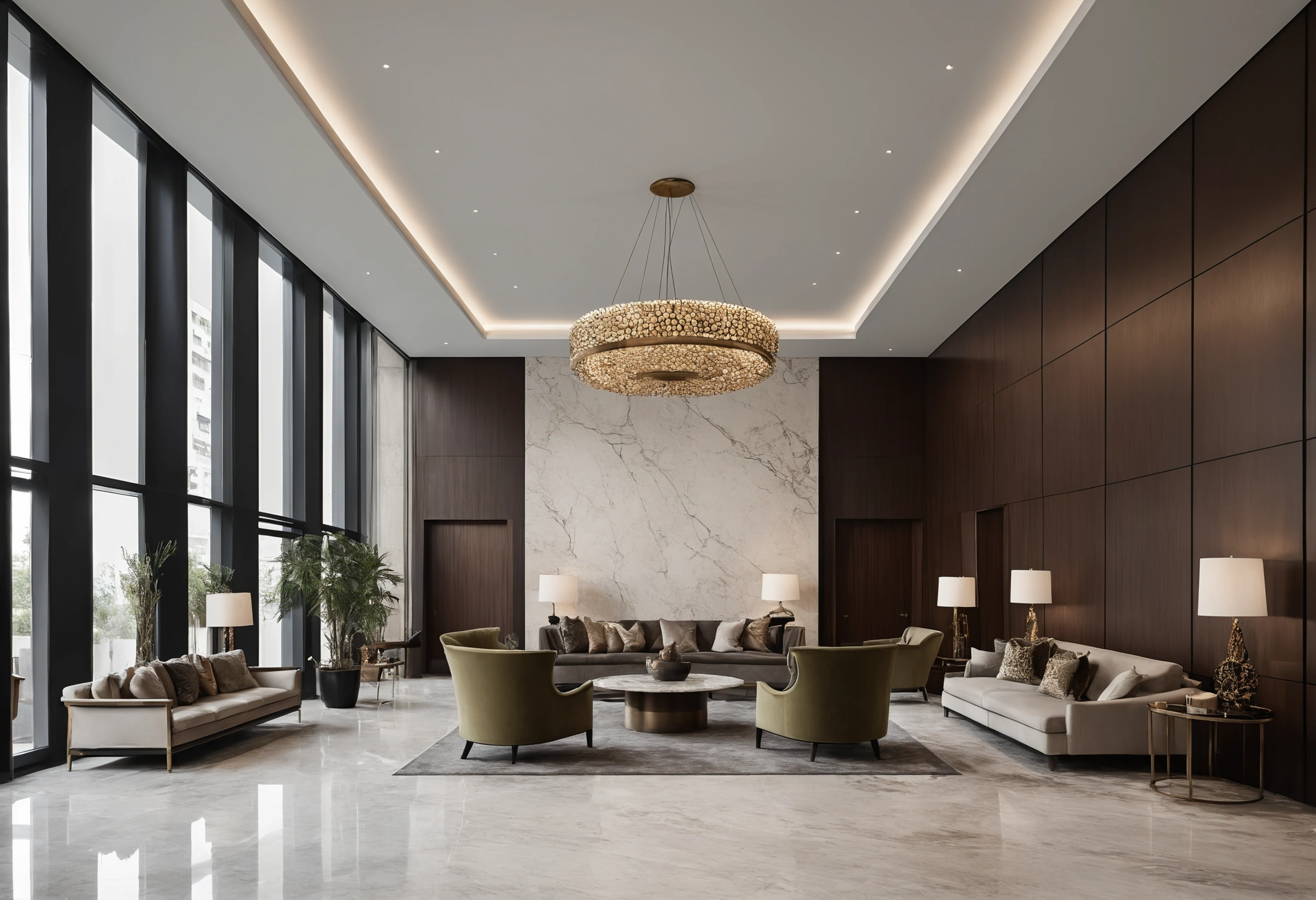
Dubai holds 48,474 branded residential units across 144 developments, the largest inventory of any city in the world, with more than 5,500 units added during the first half of 2025 alone. Buyers pay a premium over comparable unbranded property in the same district. The question worth answering is which parts of that premium correspond to something physical.
The global market context behind Dubai’s position
Branded residences grew from 169 developments worldwide in 2011 to 611 by 2025, with unit numbers rising from just over 27,000 to more than 162,000 across 83 countries, according to Knight Frank research. Dubai sits at the head of that global inventory and holds the deepest forward pipeline, with more than 140 projects targeted for delivery by 2031.
Scale changes the buyer’s position. In a market with 144 branded developments, a purchaser is comparing schemes against each other rather than deciding whether branded residences exist as a category. Comparison shifts the useful question from brand recognition to delivered specification.
Four components make up the premium, and only three are physical
A branded residence premium in Dubai divides into four components: construction and specification above local standard, service infrastructure, brand licence and marketing, and scarcity within a specific address. Three components produce something the owner can use. One does not.
| Component | What the buyer receives | Verifiable before purchase |
|---|---|---|
| Specification above local standard | Higher grade joinery, stone, glazing, acoustic separation and services | Yes, through the specification schedule and a show unit |
| Service infrastructure | Concierge, valet, housekeeping, residence management, amenity staffing | Partly, through the service charge budget and staffing schedule |
| Design authorship | Interiors and architecture by a named studio, with brand standards enforced | Yes, through the design credits and the show unit |
| Brand licence and marketing | The name on the building and the marketing that surrounds it | No, the licence fee is not disclosed to buyers |
Service charges are where the ongoing cost of a branded scheme becomes visible. Higher staffing ratios, longer amenity opening hours and hotel-standard maintenance produce a service charge per square foot above that of unbranded buildings in the same district, and that difference continues for the life of ownership rather than ending at purchase.
How to test a branded specification against an unbranded one
A specification comparison between a branded and an unbranded unit in the same district can be carried out without technical training, using six measurable items that developers publish or will confirm on request.
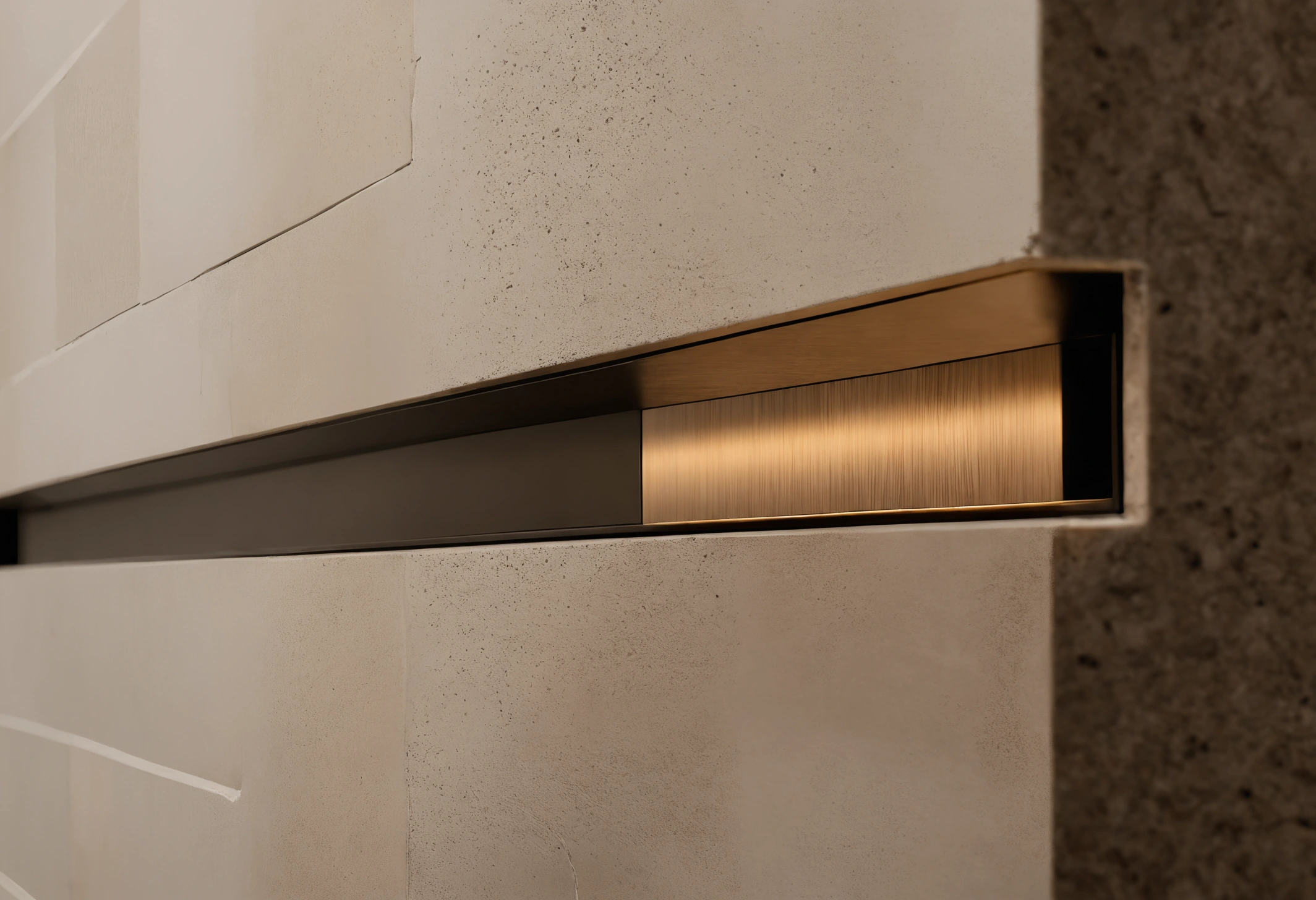
- Slab-to-slab height. Branded schemes frequently deliver 3.2 m or more against a 2.9 m to 3.1 m market standard, which changes every proportion inside the unit.
- Glazing specification. Double-glazed units with a low-emissivity coating and a warm-edge spacer behave differently in summer from standard glazing, both in comfort and in running cost.
- Acoustic separation between units. Ask for the tested airborne sound reduction figure for party walls and floors rather than a description.
- Joinery construction. Solid or veneered carcass, soft-close hardware brand, and drawer load rating, all confirmable from the specification schedule.
- Cooling system type. Individually controlled units against a central system with limited zoning, which determines how the apartment behaves room by room.
- Lift ratio. Number of lifts per apartment, which determines waiting time at peak hours in a tall tower.
A brand cannot be inspected. A slab height, a glazing specification and a lift ratio can all be inspected, and together they explain most of the difference a resident actually feels.
Who buys branded residences in Dubai
Dubai held 81,200 resident millionaires, 237 centi-millionaires and 20 billionaires during 2025, with the millionaire population rising 102 percent between 2014 and 2024, according to the Henley and Partners World’s Wealthiest Cities Report 2025. The UAE also recorded a net inflow of 9,800 relocating millionaires during 2025 carrying roughly USD 63 billion of investable wealth.
Two buyer motivations dominate at that wealth level, and each produces different requirements. Buyers acquiring a primary residence prioritise unit specification, acoustic performance and storage. Buyers acquiring a managed asset prioritise rental programme terms, service charge stability and the reputation of the operator, since those variables determine net yield.
What branded schemes deliver furnished, and what they leave to the owner
Branded schemes in Dubai vary considerably in how much of the interior is delivered complete. Some hand over fully furnished units matching the show apartment. Others deliver architectural finishes and fitted joinery while leaving loose furniture entirely to the buyer, which surprises purchasers who assumed the brand extended to every piece in the room.
- Fully furnished delivery
- Loose furniture, lighting, rugs and accessories included and specified by the scheme’s design studio. The buyer receives consistency and gives up personal specification.
- Fitted only
- Joinery, stone, sanitaryware and lighting installed; all loose furniture excluded. The buyer specifies independently, usually against the existing palette.
- Shell and core within a branded envelope
- Rare in apartments, common in larger residences and penthouses, where buyers commission interiors themselves inside a branded building.
Owners furnishing a fitted-only unit face a specific constraint: matching a fixed architectural palette chosen by someone else. Studios delivering luxury interior design services in Dubai normally begin such projects by recording the existing stone, joinery and metal finishes precisely, because every later selection has to sit against finishes that cannot be changed.
Resale behaviour and the limits of the premium
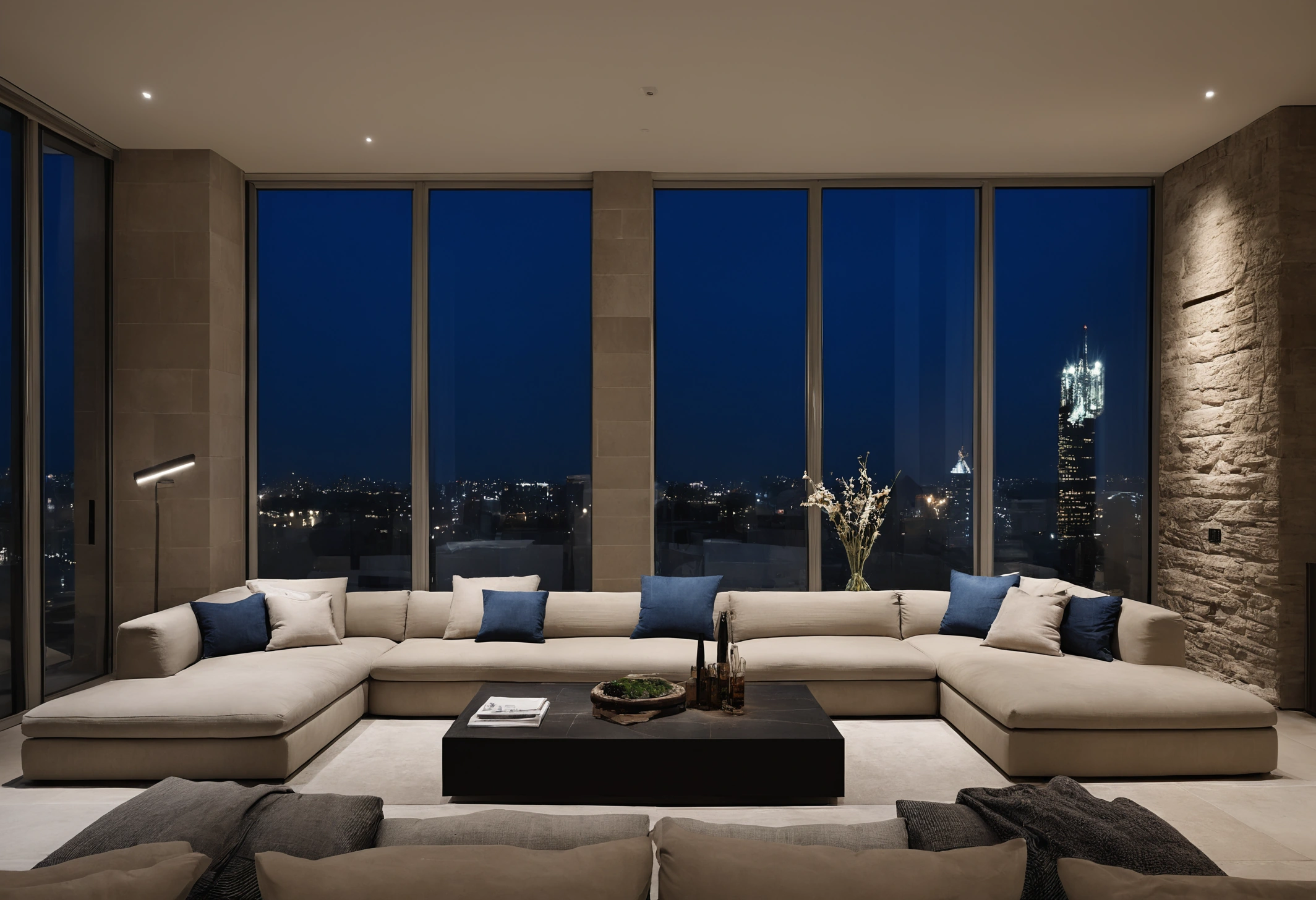
Branded residences resell against other branded residences, which narrows the comparison pool and can work in either direction. In a district with several competing branded schemes, a unit competes on specification, service charge and floor level rather than on the brand alone. In a district where one scheme has no branded competitor, the comparison pool is thin, and thin pools price unpredictably.
The premium is most durable where three conditions hold together: the building maintains its service standard, the operator agreement continues, and the specification remains ahead of newer local stock. The premium erodes where a scheme ages without reinvestment, because a fifteen-year-old branded building competes against new unbranded product with current systems.
Dubai’s transaction depth supports both outcomes. The Dubai Land Department logged 226,000 transactions worth AED 761 billion during 2024, giving sellers a large pool and giving buyers alternatives, which is exactly the condition under which specification differences get priced accurately.
Furnishing a branded unit without fighting the architecture
Furniture selection inside a branded residence works best when the pieces answer the building’s palette rather than competing with it. A scheme finished in pale travertine, bronze metalwork and smoked oak sets a temperature that loose furniture either supports or disrupts.
Three practical constraints apply. Scale must match ceiling height, since a 3.2 m ceiling makes standard-height furniture look undersized. Fabric must tolerate high daylight levels behind full-height glazing. Delivery must respect building rules, which in serviced branded towers are usually stricter than in standard residential buildings. Showrooms carrying luxury Italian furniture in Dubai hold the deeper and taller pieces that suit these proportions, which standard retail ranges rarely stock.
The honest reading of the premium
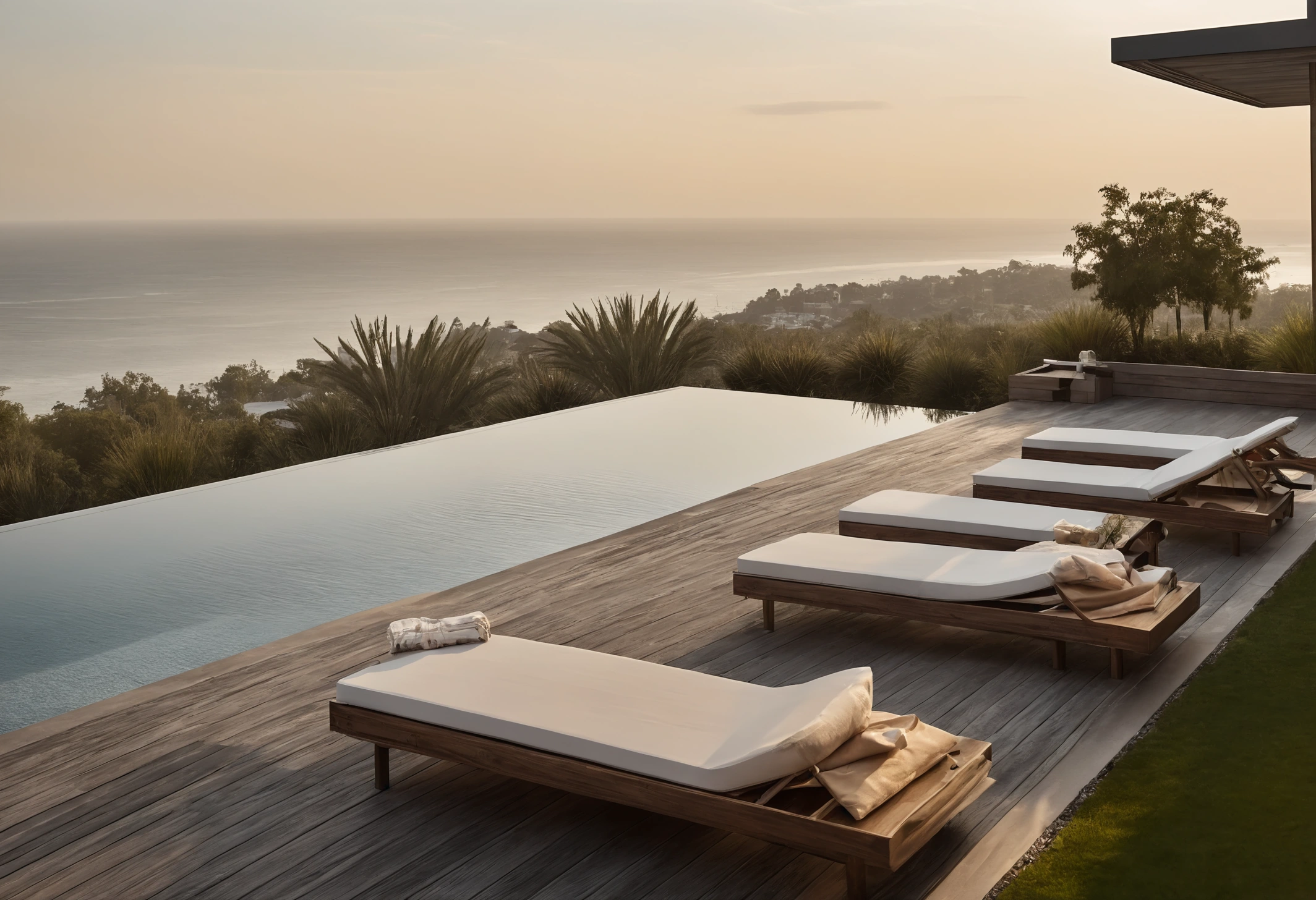
A branded residence premium in Dubai buys real construction quality, real service infrastructure and real design authorship, plus a licence fee that buys nothing physical. Buyers who examine the first three and treat the fourth as a marketing cost make sound decisions. Buyers who treat the name as evidence of the first three occasionally find that a competing unbranded building in the same district was built to a higher standard for less money.
With 144 branded developments in one city, the comparison is available. Making it takes a specification schedule, a show unit visit and an afternoon.